
November 2, 2026
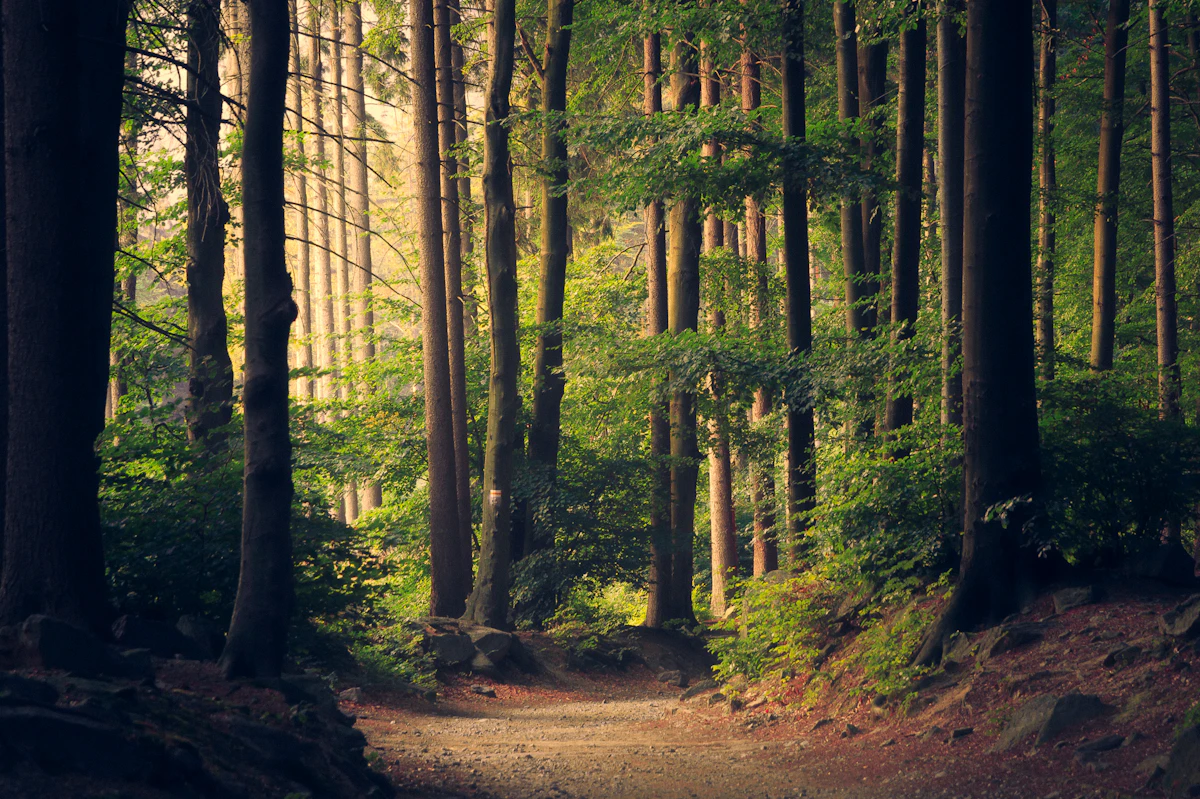
If you're planning a renovation, an addition, or a new build anywhere in North Metro Atlanta, there's a good chance a tree preservation ordinance applies to your lot before you ever pour a foundation. Most homeowners don't find this out until a contractor asks for a tree survey, or a city inspector flags a permit application. By then, it's already slowing down the project.
Every one of the 27 cities we work in writes its own rules, but most tree preservation ordinances share the same basic structure. They require you to inventory the "specimen" or "significant" trees on a lot above a certain trunk diameter, usually measured at diameter at breast height (DBH), before you can get a building or land disturbance permit. Trees above that threshold typically can't be removed without a permit, and removing one without approval often means a per-inch or per-tree fine plus a required replacement planting.
The ordinance doesn't just cover trees you plan to cut down. Many cities also regulate construction activity near trees you intend to keep — grading, trenching for utilities, and even where you park equipment within the root zone can trigger a violation if a protected tree dies as a result.
North Georgia's tree canopy does real work: it holds soil on slopes, slows stormwater runoff, and keeps summer cooling costs down in neighborhoods that would otherwise bake under asphalt and rooftops. Cities adopted preservation ordinances because mature hardwoods take 40 to 80 years to replace once they're gone, and a single clear-cut lot can change drainage for an entire block. The Georgia Forestry Commission tracks statewide canopy loss and works with municipalities on the standards that end up in local code.
A tree preservation ordinance review generally kicks in when you apply for any of the following: a new home build, a major addition, a pool installation, a driveway or parking area expansion, or any land disturbance permit tied to lot clearing. Smaller projects, like replacing a deck in the same footprint, often fall under an exemption — but "often" isn't "always," and exemptions vary city to city. Always check with your local planning or arborist office before cutting anything you're not 100% sure about.
If your project does need a survey, a certified arborist typically has to identify and tag every regulated tree, note its species and condition, and mark which ones are slated for removal versus protection. That survey becomes part of your permit package. Homeowners in Roswell and other cities with active tree boards should budget extra time for this step, since review schedules can add a few weeks to a permit timeline.
This is where a lot of projects run into trouble after the permit is approved. Protected trees need physical fencing around their critical root zone before any equipment moves onto the lot — not just during demolition, but through the entire build. Compacted soil from foot traffic and parked trucks can kill a tree's roots slowly, over a year or two, long after the construction crew has left. If you're planning any tree trimming near a protected tree to clear space for equipment, get it reviewed first; over-pruning a specimen tree can also violate the ordinance even if you never touch the trunk.
When a tree is dead, hazardous, or approved for removal under your permit, the actual tree removal still has to be done carefully around a job site full of equipment, neighboring structures, and other protected trees you're not touching. This isn't a DIY weekend project, and it isn't a job for a crew unfamiliar with your specific city's rules. A removal done wrong — damaging a neighbor's tree, or taking down something that should've stayed tagged for protection — can cost you more in fines and replanting than the removal itself.
Fines for unpermitted removal of a protected tree typically scale with trunk diameter and can run into the thousands of dollars per tree, on top of mandatory replacement plantings, sometimes at a 2-to-1 ratio or higher. Some cities also have the authority to stop work on a permit entirely until the violation is resolved. It's a much smaller cost, in time and money, to get the survey done before you start.
Because every municipality in the metro area writes its own ordinance, there's no substitute for checking with your specific city or county planning department before you finalize plans. If you're not sure where to start, the Arbor Day Foundation and the Tree Care Industry Association both publish general guidance on urban tree protection standards that most local rules are modeled after, and the International Society of Arboriculture maintains a directory of certified arborists who can do a compliant survey. The U.S. Forest Service's urban forestry program is a good resource too if you want the policy reasoning behind why these ordinances exist.
If you're planning a build or renovation anywhere in our service areas, have us walk the lot before you submit for permits. A pre-permit survey from a crew that already knows the local tree preservation ordinance can save you a redesign later. Contact us and we'll tell you straight whether your trees are likely to be a problem or a non-issue.
Call (470) 403-0215 or fill out the form — we're available 24/7 for emergencies.